-
Butt, hogshead, barrel, quarter cask
-
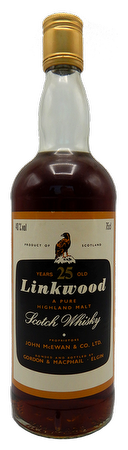
Cask sizes, and they are the reason two whiskies of the same age can taste decades apart. A sherry butt holds around 500 litres, a hogshead around 250, an ex-bourbon barrel around 200 and a quarter cask around 50. The smaller the cask, the more wood each litre touches and the faster it matures.
-
First fill and refill
-
Whether this whisky was the first to occupy the cask after its previous life as a sherry or bourbon vessel, or the second, or the third. A first fill gives colour and sweetness quickly and can overwhelm a delicate spirit; a refill gives up its character slowly and lets the distillery speak. Neither is better, and the label saying which is a courtesy rather than a requirement.
-
Sherry, bourbon, port, wine
-
What was in the cask before the whisky. Ex-bourbon tends towards vanilla, honey and orchard fruit; sherry towards dried fruit, spice and a darker colour; port and wine casks towards red fruit and a pink cast in the glass. It is the single largest influence on how a whisky ends up tasting.
-
Matured, finished, double matured
-
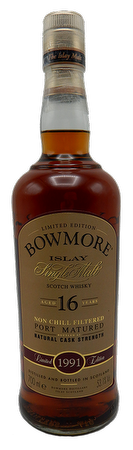
Matured means it spent its whole life there. Finished means it was moved into a second cask for the last stretch, often a matter of months, to pick up a layer of something else. A label that says port matured is telling you something quite different from one that says port finished, and both are worth reading carefully.
-
Cask strength
-
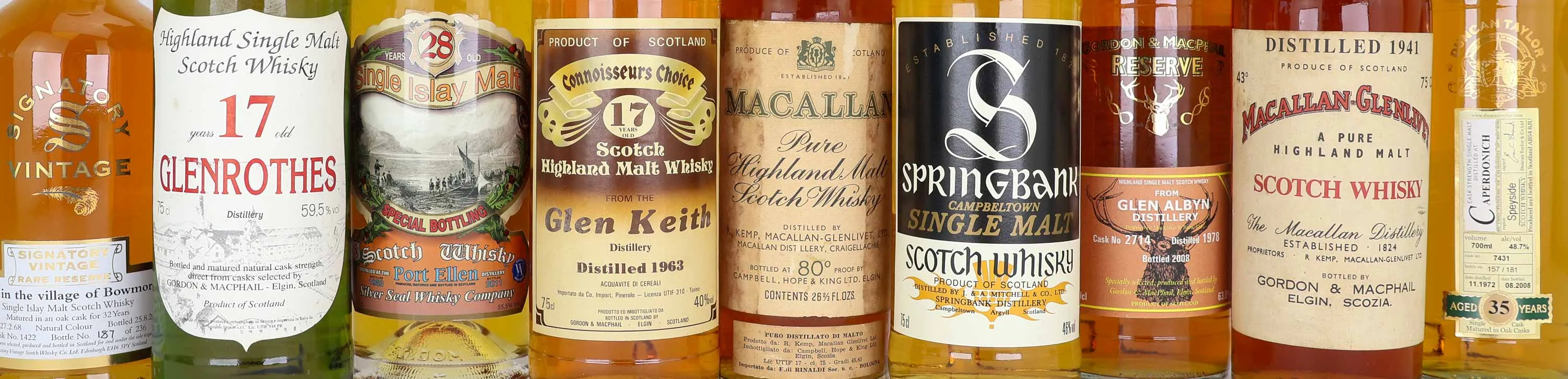
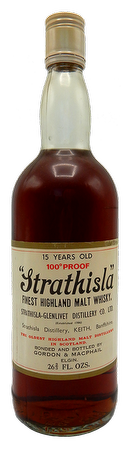
Bottled at the strength it came out of the wood, with no water added to bring it down. Expect anything from the high forties to the low sixties, dropping as the years in cask go by. Most standard bottlings are reduced to 40, 43 or 46 percent instead, which is a decision about consistency rather than about quality.
-
Non chill filtered
-
Chill filtering cools the whisky and strains out the compounds that would otherwise turn it cloudy in a cold glass or with a splash of water. It also takes a little texture with them, which is why bottlers who leave it out say so on the label. A non chill filtered whisky going hazy in the glass is behaving exactly as it should.
-
Natural colour
-
Caramel colouring is permitted in Scotch and widely used to keep a bottling looking the same year after year. Bottlers who add none tend to print the fact, so an unusually pale whisky with natural colour on the label is honest rather than weak — and a very dark one without that claim may owe some of its colour to the bottle rather than the cask.
-
Cask number and outturn
-
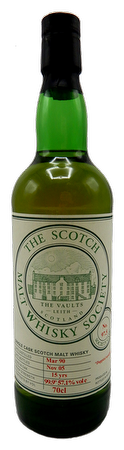
On a single cask you will often find the cask number and the number of bottles it produced, sometimes with this bottle's own number written in by hand. An outturn in the low hundreds is ordinary; one in the dozens is not, and the market notices.