A guide for sellers

What goes under
our hammer

We are a whisky and rum house first and foremost. Those two categories fill our catalogues month after month, and they are where our buyers, our expertise and our reputation sit — which is exactly what you are hoping for when you consign a bottle.

Around that core there is a little more room than people expect: casks, the occasional other spirit, the books that collectors actually chase. This page sets out what we take, what we take by arrangement, and what we would rather leave to somebody else.

Whisky

Every style, every bottler

Rum

A category of its own

Casks

Whisky and rum, by arrangement

Books and more

Alongside the bottles

Where our audience is

Two spirits at
the heart of it

Whisky and rum are not simply the two things we happen to sell most of. They are the two categories our buyers come here for, and a lot only reaches a good price when the right people are watching it. That is the honest reason we stay close to what we know.

Under whisky sits everything the word covers: single malt and blends, grain and bourbon, rye and Japanese, official bottlings and independents, this year's release and something bottled before the distillery closed. There is no style we would turn away for being unfashionable.

Rum has grown into a category with a following of its own, and we treat it that way rather than as a footnote to the whisky. Estate bottlings, independent releases, the old Caribbean and Demerara marks — they are catalogued and described with the same care.

Everything beyond those two is a conversation rather than a form. We would rather tell you in a day that something is not for us than have it sit in a catalogue where nobody is looking for it.

Category by category

What we take, and
on what terms

Three of these you can register yourself this evening. The others start with a message, because they need an answer from us before there is any point in packing a box. Nothing here is a hard rule for its own sake — it is simply where we know we can get you a good price.

Register it yourself

Whisky

Single malt and blended, grain and bourbon, rye, Japanese, Irish, and everything the rest of the world has started distilling in the last twenty years. Official bottlings and independents alike, from a supermarket blend with a story to a closed distillery in the wrong decade.

Age is neither a requirement nor a disqualification. A bottle from last year sells perfectly well if it is the right one, and a dusty forty-year-old sells because it is exactly that. Register it and it goes into the next auction with a deadline you can still make.

Register it yourself

Rum

Rum sits alongside the whisky rather than underneath it. Estate and distillery bottlings, independent releases, the Caribbean and Demerara marks that collectors track by name, and the agricole side of the family as well.

It is the category that has grown fastest for us, and the bidding shows it. Rum is registered through exactly the same form as whisky, catalogued with the same detail and inspected by the same hands.

By arrangement

Other spirits

Cognac, armagnac, tequila, mezcal, gin, genever and the rest do turn up in our catalogues, but never automatically. Whether we can do a bottle justice depends entirely on whether the people who collect it are already watching our auctions.

So ask before you register anything. Sometimes the answer is that we will happily take it; sometimes it is that a specialist house will get you a better price, and we would rather tell you that than quietly disappoint you.

By arrangement

Casks

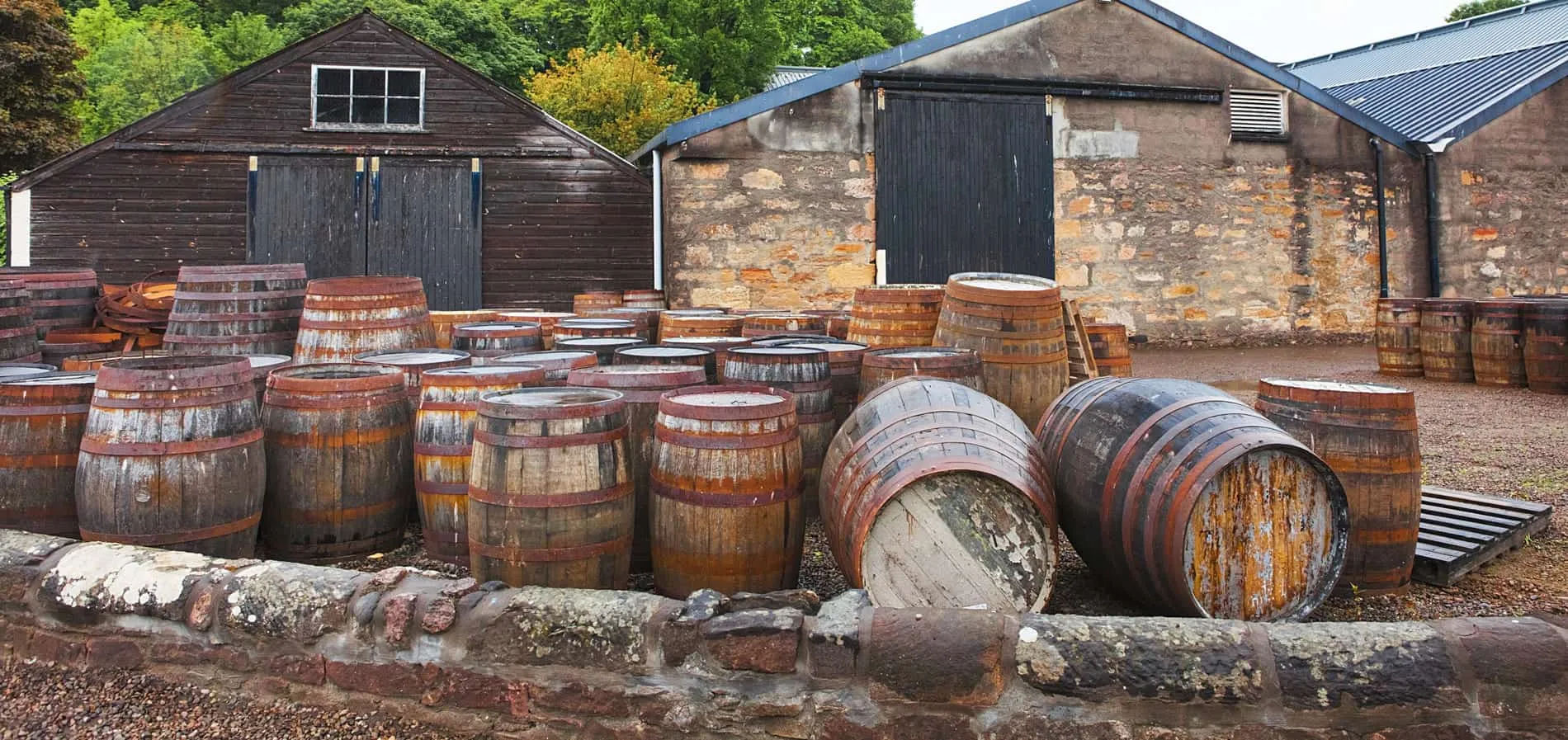
We auction casks of whisky and of rum, and they are a very different proposition to a bottle: the cask stays exactly where it is, and what changes hands is the paperwork. Nothing about that fits a standard registration form.

Start by telling us what you hold — distillery, fill date, cask type and number, the warehouse it sits in and what documentation you have. We will tell you what we can do with it and what it needs before it can go into a catalogue.

Register it yourself

Books

Whisky and rum books are a proper category here, not a curiosity. The distillery histories, the annual guides, the out-of-print reference works that collectors have been hunting for years — all of them find buyers among an audience that already reads.

Condition is what decides the price: a first edition with an intact dust jacket is a different lot to a well-thumbed copy, and we describe both honestly. Books are registered the same way a bottle is.

Never on its own

Memorabilia

Glassware, water jugs, cask ends, distillery signage and the rest of it do appear in our auctions — but always in the company of a bottle, as part of a lot that a bidder is already interested in. On their own they simply do not find an audience here.

If you have something that belongs with a particular bottle, say so when you register it and we will see whether the two can be catalogued together. Turning it into a lot of its own would cost you a listing fee for very little in return.

Registering costs € 7,00 per bottle whether it sells or not, so it is worth asking about anything on the "by arrangement" side before you fill anything in. Send us a message — a photograph and a line of description is usually all we need.

Casks and everything unusual

How to offer something
that is not a bottle

A cask, a rare spirit outside our two categories, a collection that came with the house — none of these fit a form with a field for fill level. They all start the same way instead: you tell us what you have, and we tell you honestly whether we are the right people for it.

1

Tell us what you have

A message is enough to start. What it is, roughly how old, where it came from and — for a cask — the distillery, the fill date, the cask number and the warehouse it sits in. Photographs of the bottle, the label and any paperwork do most of the work for us.

You are not committing to anything by asking, and you do not need an account for it either. Plenty of these conversations end with us saying that somebody else will serve you better, which is a perfectly good outcome.

2

We come back with an answer

Usually within a working day or two. Either we can take it, in which case we tell you which auction to aim for and what to expect it to fetch, or we cannot, in which case we say why — and point you somewhere more suitable if we know of one.

For a cask we will also tell you what has to be sorted out before it can be catalogued at all: the delivery order, the storage arrangement and the transfer of ownership are not things that can be settled after the hammer.

3

It goes into a catalogue

From there it follows the same route as everything else. Bottles come to Groningen to be inspected, photographed and written up; a cask stays where it is and we describe it from the paperwork and whatever samples or reports exist.

You watch the bidding from your own account, and we settle up with you after the auction on exactly the same terms as any other lot: no commission on the hammer price, only the listing fee.

Selling a whole cellar rather than a single unusual bottle? Send us the list as a spreadsheet and we will do the registering for you.

Get in touch

Whatever the category

The condition
a bottle has to be in

Being the right kind of spirit is only half of it. Every bottle we catalogue also has to be one we can describe with confidence, because the entire promise we make to a buyer is that somebody in Groningen held it and told the truth about it.

That standard is a good deal more forgiving than sellers expect. Age, wear and imperfection are the normal condition of an interesting bottle, and we would far rather list something honestly than turn it away for being old.

What we cannot do is guess. Anything that leaves us unable to say what is in the bottle is where the line falls, and it falls in the same place for whisky, rum and everything else.

When in doubt, ask first

A photograph of the bottle and its neck settles nearly every one of these questions in a single reply. It is a great deal cheaper than a listing fee and a return journey: send it over.

The bottle seal Has to be intact
This is the one rule with no room in it. A broken bottle seal means nobody can vouch for what is inside, so we cannot catalogue it and we cannot sell it. A broken customs seal is the exception — that is a strip cut by an official, not a bottle that has been opened.
The fill level Down to the low shoulder
Old bottles lose a little to evaporation and everybody in this world knows it. A level in the neck or the upper shoulder is normal for age and simply gets described. Below the low shoulder we stop, because at that point the whisky itself is in question rather than the presentation.
Labels and packaging Honest wear is fine
A faded label, a small tear, a ring left by a damp shelf, a tube that has been through a house move: none of that is a problem. It is photographed, it is described, and buyers price it in. It only becomes a problem when the damage makes the bottle impossible to identify properly.
Refills and samples We cannot take them
Unofficial refills, decanted samples and rebottled anything are out, however carefully they have been labelled and whatever is written on them. It is not a judgement about you — it is that we have no way of standing behind the contents, and our whole proposition is that we do.
Ceramics and decanters Weighed before we accept
An opaque decanter cannot be checked by eye, so we go by weight. One that is noticeably light for its type has almost certainly lost its contents through the closure over the years, and we would rather turn it away than sell somebody an empty ornament.
Anything we cannot place Our call, always
Now and then a bottle simply does not add up: the label, the closure and the story do not agree with one another. When that happens we decline it, and we reserve that judgement to ourselves. It is the least popular sentence on this page and the one that protects everybody.

And the final word stays with us

Everything above describes the ordinary case, and the ordinary case covers very nearly everything anybody brings us. For the rest, European Whisky Auctions decides what goes into a catalogue — and in unforeseen circumstances that decision is ours and it is final.

It is rarely a question of authenticity. Somebody arriving with a single miniature is the example we meet most often: there is nothing wrong with the bottle at all, it simply does not warrant a lot number, an inspection, a photography session and a place in a sale — so we may decline it. The same is true of anything where the work of cataloguing plainly outweighs what it could realistically fetch.

We will always tell you why, and where we can we will point you somewhere better suited. What we will not do is take something on that we cannot sell well for you.

The things sellers ask first

Questions about
what we take

Every question we answer is indexed on our questions and answers page, and if your bottle is not covered by any of it, simply ask us. We are quicker to answer a question than to sort out a misunderstanding.
Do you really auction rum as well, or is it an afterthought?

It is a category in its own right. Rum appears in every auction, it is described and photographed with the same care as the whisky, and it is registered through exactly the same form.

It is also the part of our catalogue that has grown fastest, which means the bidders are there — and bidders are the only thing that actually decides what a bottle is worth.

I have a bottle of cognac. Can I sell it here?

Possibly, but ask us before you register it. Spirits outside whisky and rum go into our auctions by arrangement rather than automatically, because whether we can do a bottle justice depends on whether the people who collect it are already watching.

If we think a specialist house will get you more, we will say so. That is a better outcome for you than a listing fee spent on a lot nobody was looking for.

How does selling a cask work?

Differently to a bottle, and it always starts with a conversation. The cask itself does not move: it stays in its warehouse, and what actually changes hands is the ownership and the paperwork behind it.

Tell us the distillery, the fill date, the cask type and number, where it is stored and what documentation you hold. We will come back with what we can do and what has to be settled before it can be catalogued — none of which can wait until after the hammer.

Can I sell my glasses, jugs or distillery signage?

Not on their own. Memorabilia only goes into our auctions as part of a lot that already has a bottle in it, because a standalone piece of glassware simply does not find an audience here — and an unsold lot still costs you the listing fee.

If a piece genuinely belongs with a particular bottle, mention it when you register and we will see whether the two can be catalogued as one lot.

What about whisky and rum books?

Very welcome, and on their own terms — books are registered exactly like a bottle. Distillery histories, annual guides and out-of-print reference works all do well with an audience that already collects them.

Condition drives the price more than anything else. A first edition with its dust jacket intact is a very different lot to a well-read copy, and we describe both as they are.

The seal on my bottle is broken. Is that the end of it?

If it is the bottle seal, yes. Once that has been broken nobody can vouch for the contents, and vouching for the contents is the whole of what we do.

A broken customs seal is a different matter entirely — that strip is cut by an official and has nothing to do with whether the bottle has been opened. Those we take without hesitation.

Can you refuse a bottle that meets everything on this page?

Yes. In unforeseen circumstances European Whisky Auctions keeps the final word on what is auctioned, and that decision is ours to make. It is not a clause we enjoy having, and it is not one we lean on often.

The usual case is not suspicion but scale. Somebody turning up with one miniature is the classic example: nothing is wrong with it, but it does not justify a lot number, an inspection, a photograph and a place in a sale — so we may say no. If we do, we will tell you why and suggest where it might do better.

Is my bottle too young or too ordinary to be worth listing?

Probably not. Age is not what makes a lot interesting — scarcity, the distillery and who is currently chasing it matter far more, and plenty of recent releases outperform bottles three times their age.

If you would rather know before you commit to a listing fee, ask us for a free valuation. It costs nothing and it is the most sensible way to find out.

Found yours on
this page?

Then register it and it goes into the next auction. And if it sits on the "by arrangement" side — a cask, a spirit outside our two categories, something you cannot place at all — send us a photograph instead and we will tell you where you stand.